
How to choose beer yourself: a detailed guide for beginners
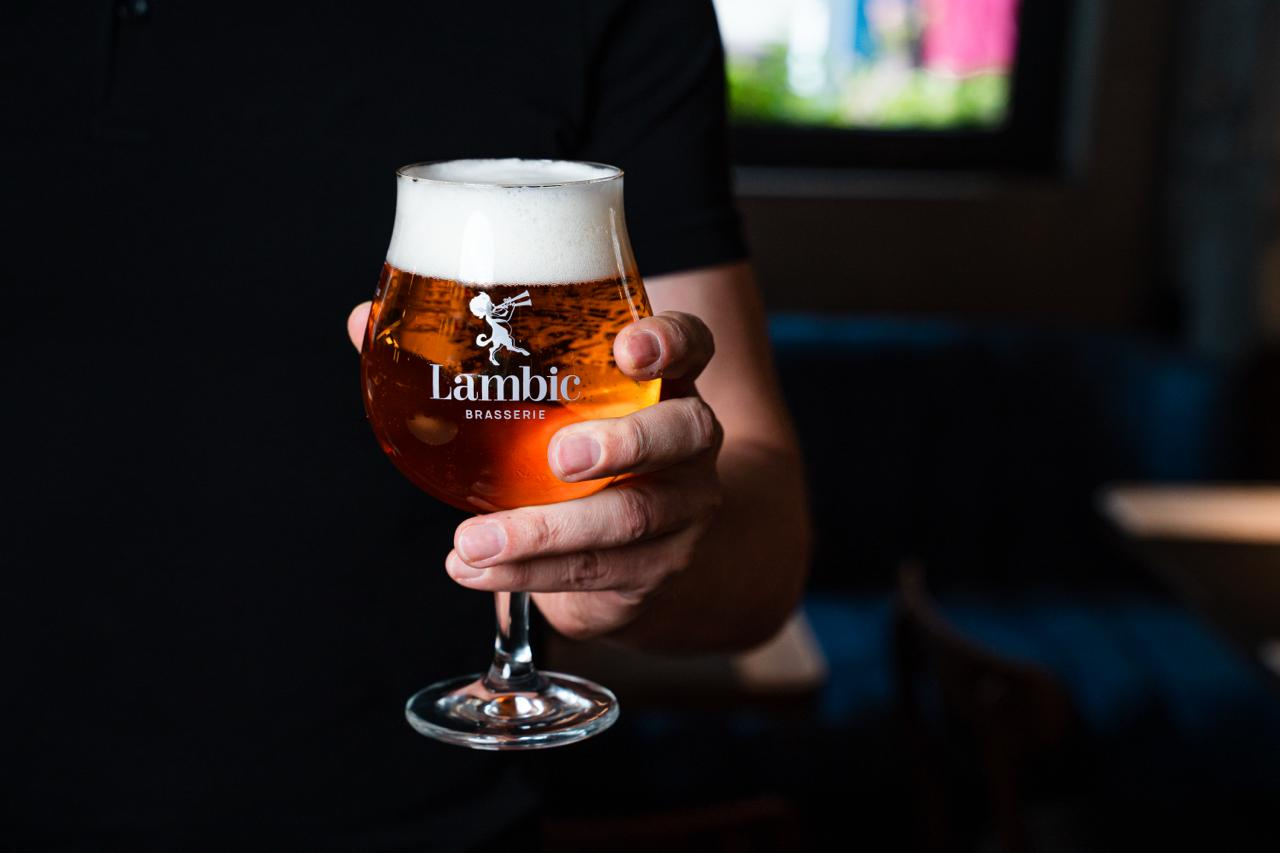
Beer is a low-alcohol beverage made from hops, barley malt, and yeast through fermentation. But not everything on store shelves and in bars can be called truly good beer.
How can you choose a tasty beer
How can you choose a tasty beer if you don't know anything about it? Here are ten simple rules to help you find a truly good drink.
- 1. Label
To avoid buying a poor-quality product, you need to check the label for authenticity. On a quality beer, it should be affixed evenly, without wrinkles, bubbles, or damage. All information, including ingredients and shelf life, should be easy to read. And with the help of special apps, you can check the authenticity of the excise stamp to ensure the legality of the product.
- 2. Shelf life
The shorter the shelf life, the better the quality of the beer. Stabilizers are added to the drink for long-term storage, which makes it harder on the body. For example, live unfiltered beer can only be stored for 2-3 days, and it is best to try it in breweries. Pasteurized “live” beer from the store can be stored for several weeks. Never drink beer that has expired — it can cause poisoning.
- 3. Strength and density
The numbers 10%, 12%, or 14% on the bottle most often refer to the density of the beer, not its strength. Here is an approximate conversion to familiar degrees:
- — 10% density — about 4% alcohol;
- — 12% — about 5%;
- — 14% — about 6%;
- — 18% — about 8%.
Nowadays, many manufacturers directly indicate the alcohol content. The norm is from 3% to 14%. Good beer has an alcohol-to-density ratio of about 1 to 2.5. If the balance is disturbed, alcohol may have been added to the drink.
- 4. Storage conditions
Beer in kegs in bars or stores must be stored in a cool place. This is especially important to monitor in the summer. Heat and sunlight cause beer to spoil quickly and may cause it to ferment. Therefore, both in restaurants and supermarkets, it is worth asking where the drink was stored. It is best not to take warm bottles from the shelves.
- 5. Cleanliness matters
Beer keg tubes should be cleaned daily or at least several times a week. If this is not done, yeast residues will spoil the taste of the drink and give it an unpleasant sourness. This means that it is better to go to trusted establishments, as the risk of encountering a poor-quality product is lower.
- 6. Serving tricks
Before pouring beer, there is no need to wipe the glass dry. It is enough to rinse it with cold water to wash off dust and cool it down. Water droplets on the sides of the glass will help the beer reveal its taste and aroma better.
- 7. Counting circles
After drinking a good beer, foam marks — “rings” — remain on the sides of the glass. Their number often corresponds to the number of sips. If there are no marks, the beer may be diluted. You should also be wary if the foam is too large and takes up half the glass — unscrupulous bartenders save on the drink this way.
- 8. Better to pour it into another container
Beer can be sold in glass bottles, tin cans, or plastic containers. It is best to drink it after pouring it into a glass or mug. If you drink it straight from the bottle or can, the drink gets shaken up and quickly oxidizes, which spoils its taste.
- 9. What is the price?
Cheap beer almost always means poor quality. Of course, a high price does not always guarantee excellent taste (part of the price may be advertising costs), but a low price is a sure sign of a bad product.
- 10. Choose according to taste
And the last rule is that to choose a beer that you will definitely like, it is important to focus on your own taste. The main types are: porter — dark and strong; ale — thick and aromatic; lager — classic light; lambic — Belgian beer with fruity notes.
Seven signs of good beer
The quality of beer can be determined by several characteristics:
- — Good beer should not be cloudy (this also applies to unfiltered beer). Cloudiness indicates impurities or a violation of the brewing process.
- — There should be a slight bitterness of hops in the taste, but it should not be unpleasant.
- — There should be no pronounced smell of honey or acidity — this is a sign of a defect.
- — The taste should be dense and rich, not watery.
- — The foam should be dense and persistent, lasting several minutes. With light beer, the foam leaves rings as the glass is emptied.
- — Dark beer usually has less foam (up to 5 cm), but the bubbles last longer.
- — A distinct sourness and sharp bubbles indicate that the beer has fermented or contains artificial additives.
Rules for consumption
Have you selected a quality beer? Here is how to serve and drink it properly:
- — Do not mix different types of beer in one glass. It is better to finish one and pour a fresh one into a clean glass.
- — Choose glasses made of glass, ceramic, or porcelain. Plastic and metal are not suitable.
- — The optimal serving temperature is up to 8 °C. Cool beer in the refrigerator, but not in the freezer — a sharp temperature change will spoil the taste.
- — Pour beer correctly: hold the bottle or can 2-3 centimeters from the rim of the glass, which should be held at an angle. Pour to the middle of the glass (there is often a special mark there) to allow the foam to form and settle.
- — The ideal way to taste beer is in three sips: the first large (about half), the second half of what remains, and the third to finish off the rest. And don't mix beer with other alcohol.
- — Never add fresh beer to yesterday's leftovers. It's better to pour out any unfinished drink.
Now you know how to distinguish quality beer and serve it correctly. And if you don't want to do everything yourself, come to Lambic beer restaurants! We will advise you on beer, recommend excellent snacks to go with it, and delight you with a cozy atmosphere. See you soon!


How to Choose a Beer Restaurant in Moscow: A Guide to Key Criteria
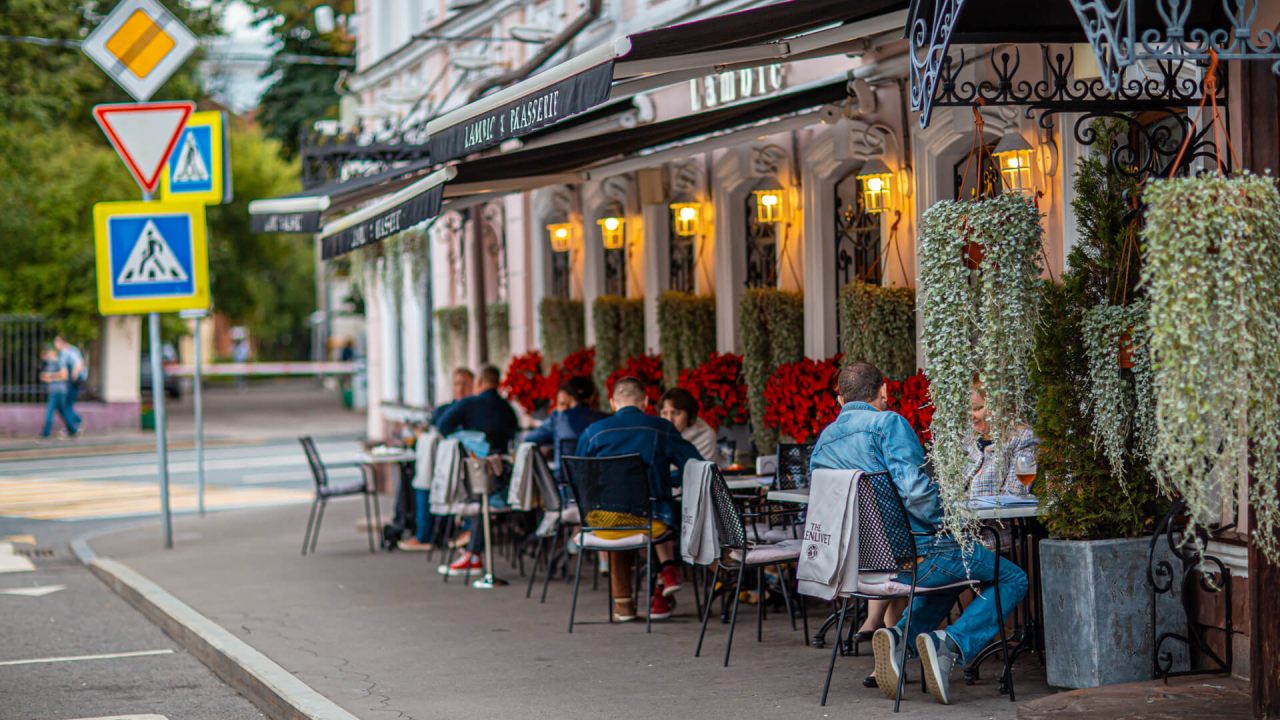
Contents What to look for in a beer restaurant: selection, proper serving, freshness How to tell from the menu if they really understand beer Atmosphere, music, service: details that shape the experience Why guests choose Lambic: format and concept In Moscow, there are hundreds of beer restaurants—but not all of them can be called good. To avoid having your evening spoiled by stale beer or poor service, it’s worth evaluating a place in advance. Let’s look at how to choose a restaurant you’ll actually want to return to. What to look for in a beer restaurant: selection, proper serving, freshness The most important thing in any beer restaurant is the quality of the product. You can assess it based on three key criteria: — Selection. A good restaurant doesn’t necessarily need a huge beer list. What matters is balance—having a variety of styles represented. The presence of craft beers or well-known Belgian brands is a strong sign that the establishment keeps up with the market.— Proper serving. Beer should be poured into a perfectly clean, dry, and chilled glass. It’s also important that it’s served at the right temperature. For example, a rich stout should not be ice-cold, and a light lager should not be warm. The foam height and how quickly it settles can also indicate whether the draft system is functioning properly.— Freshness. Beer is a perishable product. If a place isn’t popular, beer may sit too long in kegs, developing off-flavors like cardboard, metal, or sherry. In a good restaurant, high turnover ensures that kegs are replaced quickly and the beer is always fresh. How to tell from the menu if they really understand beer A menu can reveal more about a restaurant than the interior. Here’s what to look for: — Detailed descriptions. Simple labels like «light,» «dark,» or «filtered» suggest a lack of expertise. A serious establishment will include the style, country or brewery, ABV, IBU, and tasting notes (caramel, citrus, hop bitterness, etc.).— Proper glassware. Certain styles require specific types of glass. If the menu indicates that a Belgian ale is served in a particular glass, it’s a sign the restaurant values beer culture.— Tasting sets. Ready-made selections of 3–5 beers indicate an understanding of flavor combinations.— Food pairing. If the menu includes dishes designed to complement specific beer styles (for example, oysters with stout or goat cheese with lambic), it reflects a high level of expertise. Atmosphere, music, service: details that shape the experience Even a restaurant with a great menu can feel uncomfortable. When choosing a place, consider three key factors: — Atmosphere. For casual gatherings with friends and football, a pub with rustic furniture and large screens works well. For a romantic evening or business meeting, choose a restaurant with soft lighting, comfortable seating, and well-zoned space. If you’re looking for authenticity, go for specialized beer restaurants—for example, those designed in a «beer temple» style.— Music. It shouldn’t be too loud. The ideal background is jazz, rock ’n’ roll, or instrumental music at a moderate volume.— Service. It should be attentive but not intrusive. If staff immediately push the most expensive options without offering alternatives, it’s probably not a place worth returning to. Good beer isn’t cheap—but there’s always something to suit different preferences and budgets. Why guests choose Lambic: format and concept The Lambic brasserie chain includes around fifteen beer restaurants in Moscow. We set a high standard of quality—and here’s why guests keep coming back: — Expertise. Lambic specializes in Belgian beer, widely regarded as the benchmark of brewing. The menu also includes dozens of beers from around the world, as well as special options such as non-alcoholic and limited releases. You can find almost anything here, but every label is carefully selected.— Gastronomic concept. Unlike typical pubs focused on snacks, Lambic offers a full restaurant kitchen. The menu is designed so that dishes pair perfectly with the drinks. Experienced staff are always ready to recommend the ideal pairing.— Atmosphere. Lambic interiors are inspired by classic European beer restaurants: high-quality wooden furniture, cozy sofas, and soft lighting. There’s no intrusive loud music, making it a perfect place for long conversations and a comfortable experience. But the best way is to come and see for yourself. We look forward to welcoming you to Lambic!
29 April 2026
National Pride: The History and Characteristics of Irish Beer
Contents A look back in time Features of Irish beer culture Beer styles What to try at Lambic Irish beer is part of the nation’s identity. In a country where pubs are the center of social life and stout has long been a symbol, Ireland offers the world a unique beer culture. Let’s take a look at how it developed and what makes Irish beer special. A look back in time Beer has been brewed in Ireland for centuries. The first mentions of beer on the island date back to pre-Christian times. With the arrival of Christianity in the 5th century, monasteries became centers of brewing—monks produced ale both for themselves and for guests. In medieval Ireland, beer was an everyday drink consumed by all levels of society. For a long time, Irish beer was brewed without hops, using herbal mixtures instead. Hops began to arrive in Ireland from England in the 17th century, but initially met resistance. By the early 18th century, English brewers were already actively using hops, and Irish producers gradually adopted the practice. A turning point came in 1759, when Arthur Guinness signed the famous lease for a brewery at St. James’s Gate in Dublin. The lease was set for 9,000 years at an annual rent of £45. Guinness initially brewed ale, but in the 1770s switched to porter—a rich dark beer popular in London. Guinness’s key innovation was the use of unmalted roasted barley. This allowed brewers to avoid a tax (which applied only to malt) and gave the beer its signature roasted aroma and dry taste. By the early 20th century, the Guinness brewery had become the largest in the world, and Irish stout had become a global phenomenon. Today, there are around a dozen breweries in Ireland, but Guinness remains the most recognizable Irish brand. Features of Irish beer culture Irish beer culture is inseparable from pubs. Until the 1960s, many pubs functioned as «grocery-pub shops,» combining food and drink sales. Owners and patrons usually knew each other, tipping was uncommon, and many pubs were family businesses passed down through generations, often bearing the owner’s name. Traditional Irish music is an essential part of the atmosphere, while food historically played a secondary role. Until the 1970s, pubs rarely served hot meals, offering mainly chips and salted snacks. Since the 1990s, Irish pubs have spread rapidly around the world. Thanks to the Irish Pub Concept project, launched with support from Guinness, around 7,000 Irish-style establishments have opened globally. Beer styles Stout is the main Irish style. Its defining features include the use of roasted barley, which gives flavors of coffee and chocolate, and a full body despite relatively low alcohol content (classic Guinness Draught is 4.2% ABV). Another hallmark is the «nitro» head: the beer is infused with nitrogen when served, creating a dense, creamy foam. In addition to Guinness, Ireland produces stouts such as Murphy’s and Beamish, as well as craft versions from smaller breweries. Irish Red Ale is the second most important traditional style. It has a copper-red color thanks to caramel malt, a smooth malty flavor with light caramel notes, and low to moderate bitterness (20–40 IBU). Classic examples include Smithwick’s and Kilkenny. Lager appeared in Ireland later. Until the 1960s, lagers were imported from Europe. In 1960, Guinness launched its own Harp Lager, inviting a German brewer and converting a brewery in Dundalk. Today, Harp is one of the most popular lagers in Ireland. Since the 1990s, Ireland has seen rapid growth in the craft beer movement. Small breweries began producing experimental IPAs, dry stouts, and seasonal beers. One such brewery is Carlow Brewing Company, founded in 1996 and known for its O’Hara’s brand. What to try at Lambic The Lambic menu features excellent examples of Irish brewing. Here are three options worth ordering: — O’Hara’s Leann Follain from Carlow Brewing Company is considered a benchmark extra Irish stout. It has 6% ABV and 45 IBU. Its rich flavor features notes of dark chocolate and coffee, balanced by light hoppy spice. This stout pairs perfectly with aged cheeses, meat delicacies, and chocolate desserts. — O’Hara’s Irish Stout is a classic example of a dry Irish stout. Compared to Leann Follain, it is lighter (around 4.3% ABV), closer to a traditional session stout. The flavor is dominated by roasted malt, with notes of coffee and dark chocolate; the body is smooth and the finish dry. It’s an excellent introduction to the Irish style. — Black Marble Stout is a dark stout brewed using an authentic recipe with selected malt, hops, and pure Irish spring water. The flavor includes coffee notes, a light fruity acidity, and characteristic malt bitterness. This beer is especially appealing to those who enjoy rich, warming drinks. At Lambic, you can try not only Irish beers but also many other interesting varieties—from Belgium and beyond. We look forward to welcoming you to our beer restaurants!
29 April 2026