
European cuisine: history, characteristics, and popular dishes
- The history of European cuisine
- Types of European cuisine
- The most popular dishes of European cuisine
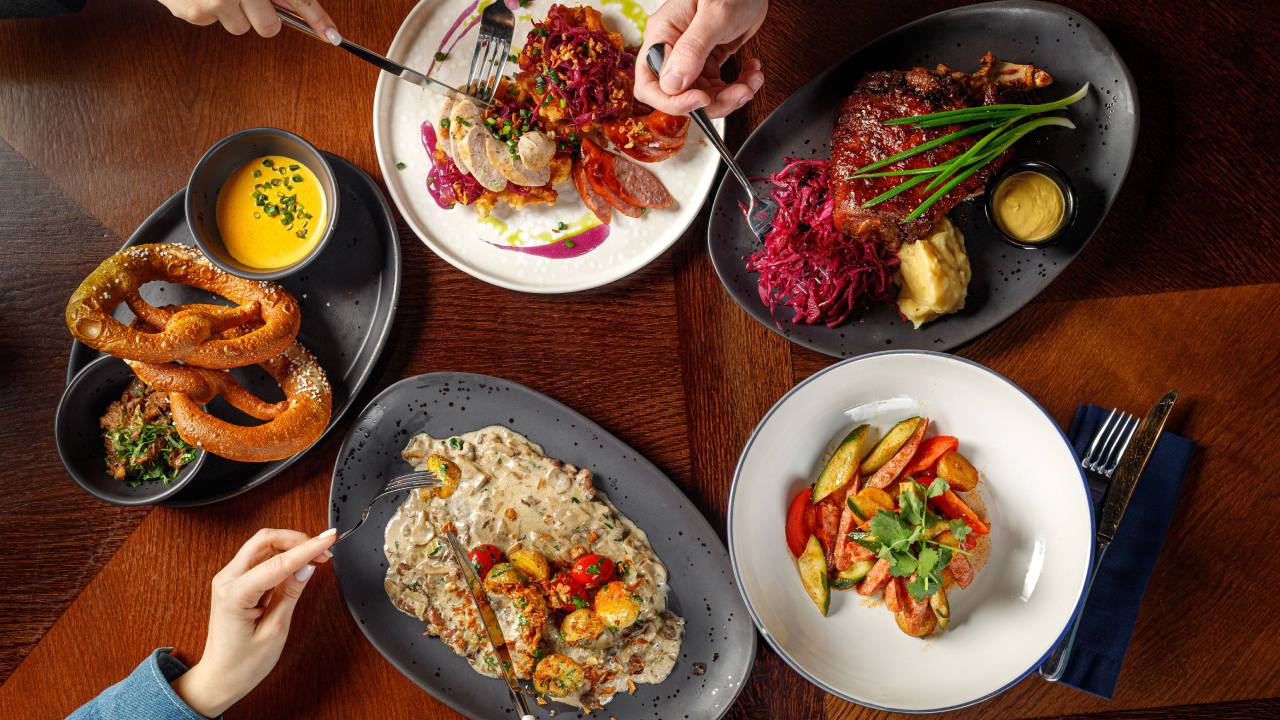
Italian pizza, Belgian waffles, German strudel, French frog legs... All these dishes, so different, are united by a common concept—European cuisine. It is truly multifaceted, as it incorporates the culinary traditions of all European countries, from Ireland to Turkey. What unites the cuisines of different nations? And what is the basis of famous European recipes? Find the answers in this article!
The history of European cuisine
The development of European cuisine began in the Middle Ages. The perfection that many recipes have achieved is largely due to the skill of the chefs who served at the courts of kings and noblemen. The cuisine of ordinary people has always been simpler and more modest, and this has also left its mark. For example, the poor often could not afford to eat meat, which led to the emergence of a huge number of dishes made from mushrooms, berries, wild fruits, and herbs.
The tastes of Europeans have transformed from era to era under the influence of historical events and the fusion of cultures. However, it is European cuisine that is often referred to as classic because it is based on meticulous selection of ingredients and high standards for their quality and freshness.
Types of European cuisine
European cuisine can be divided into several categories:
— Northern European (Britain, Scandinavia, the Baltic States) — based on fish and seafood dishes. The mild climate of the Baltic States has added the gifts of nature to it: vegetables, berries, grains, and mushrooms.
— Central European (Germany, Austria, Hungary, Czech Republic, Poland) — meat dishes, hearty vegetable side dishes, sweet pastries, and beer.
— Southern European or Mediterranean (Italy, Spain, Greece, Portugal) — an abundance of fish and meat, high-quality dairy products, fresh vegetables and herbs, and a cult of olive oil and wine.
— Western European (France, Belgium, Holland) – famous for its cheeses and dairy products. French cuisine stands out in particular, combining provincial simplicity with aristocratic sophistication.
The most popular dishes of European cuisine
Let's take a look at five iconic dishes that vividly illustrate the diversity of European cuisine.
Belgian waffles
If there is a dessert that can win anyone's heart, it is Belgian waffles. They are the pride of Western European, specifically Belgian, culinary tradition. There are two main types: Brussels waffles, which are light, airy, and rectangular, and Liège waffles, which are denser, oval-shaped, and contain caramelized sugar crystals inside.
Brussels waffles are served with savory fillings, from meat to fish, as well as with whipped cream, chocolate, fruit, and ice cream. Liège waffles are good on their own and can be eaten on the go as a filling and sweet snack. The secret to their unique texture lies in the special way the dough is prepared, often using yeast and a large amount of butter.
Fish and chips
This dish is a true symbol of Great Britain and a vivid representative of Northern European cuisine. It consists of golden slices of deep-fried fish (most often cod or haddock) in crispy batter, served with French fries.
The history of the dish began in the working-class areas of London in the 19th century. It was a hearty and inexpensive meal, simple and without frills. Traditionally, fish and chips were wrapped in paper and sprinkled with coarse salt and malt vinegar.
Salade Niçoise
This salad comes to us from sunny Provence and is the benchmark of Mediterranean cuisine. Its basis is freshness and color: ripe tomatoes, boiled eggs, crisp green beans, anchovies, olives, and lettuce leaves. A classic Niçoise salad always includes tuna (fresh or canned). The main feature of the salad is the dressing made from olive oil, lemon juice, garlic, and Provençal herbs.
Live mussels in sauce (Moules Marinières)
This dish epitomizes the cuisine of the Western European coast. The word “live” means that the mussels are cooked immediately after being caught. The classic method of preparation is Moules Marinières: mussels are stewed in a large pot with white wine, shallots, celery, and aromatic herbs (parsley, thyme). The result is a fragrant broth, which is also eaten.
Flemish beef
This dish is the jewel of Belgian and, to some extent, French cuisine in the Flanders region. It is a hearty and aromatic beef stew that is simmered for a long time until it is incredibly tender. The main feature and secret of its taste is the use of dark beer instead of wine or broth. Onions, herbs, and often mustard are also added to the stewed meat.
Tiramisu
One of the most famous desserts, invented in northeastern Italy, in the Veneto region. Classic tiramisu is a layered dessert where light and airy cream made from mascarpone cheese, eggs, and sugar is alternated with savoiardi biscuits soaked in strong black coffee. The finishing touch is cocoa powder, which adds a slight bitterness.
Contrary to popular belief, the authentic recipe does not use alcohol, although some variations may include a little Marsala or liqueur. Tiramisu is not baked but refrigerated, which allows it to “mature” and achieve the perfect delicate consistency.
You can try delicious European cuisine at the Lambic restaurant chain. Our menu has everything from first courses and hot dishes to exquisite desserts. We also offer an extensive beer list and an excellent selection of wines. Come and visit us—it's cozy here!


How to Choose a Beer Restaurant in Moscow: A Guide to Key Criteria
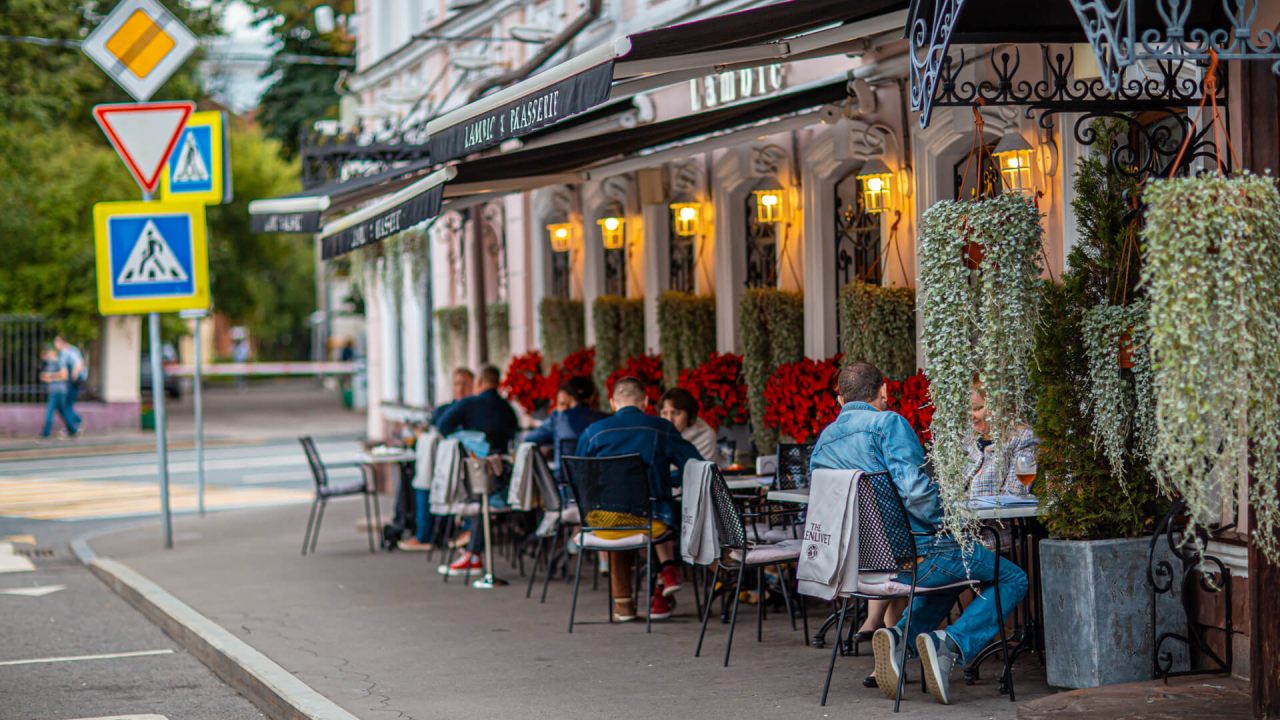
Contents What to look for in a beer restaurant: selection, proper serving, freshness How to tell from the menu if they really understand beer Atmosphere, music, service: details that shape the experience Why guests choose Lambic: format and concept In Moscow, there are hundreds of beer restaurants—but not all of them can be called good. To avoid having your evening spoiled by stale beer or poor service, it’s worth evaluating a place in advance. Let’s look at how to choose a restaurant you’ll actually want to return to. What to look for in a beer restaurant: selection, proper serving, freshness The most important thing in any beer restaurant is the quality of the product. You can assess it based on three key criteria: — Selection. A good restaurant doesn’t necessarily need a huge beer list. What matters is balance—having a variety of styles represented. The presence of craft beers or well-known Belgian brands is a strong sign that the establishment keeps up with the market.— Proper serving. Beer should be poured into a perfectly clean, dry, and chilled glass. It’s also important that it’s served at the right temperature. For example, a rich stout should not be ice-cold, and a light lager should not be warm. The foam height and how quickly it settles can also indicate whether the draft system is functioning properly.— Freshness. Beer is a perishable product. If a place isn’t popular, beer may sit too long in kegs, developing off-flavors like cardboard, metal, or sherry. In a good restaurant, high turnover ensures that kegs are replaced quickly and the beer is always fresh. How to tell from the menu if they really understand beer A menu can reveal more about a restaurant than the interior. Here’s what to look for: — Detailed descriptions. Simple labels like «light,» «dark,» or «filtered» suggest a lack of expertise. A serious establishment will include the style, country or brewery, ABV, IBU, and tasting notes (caramel, citrus, hop bitterness, etc.).— Proper glassware. Certain styles require specific types of glass. If the menu indicates that a Belgian ale is served in a particular glass, it’s a sign the restaurant values beer culture.— Tasting sets. Ready-made selections of 3–5 beers indicate an understanding of flavor combinations.— Food pairing. If the menu includes dishes designed to complement specific beer styles (for example, oysters with stout or goat cheese with lambic), it reflects a high level of expertise. Atmosphere, music, service: details that shape the experience Even a restaurant with a great menu can feel uncomfortable. When choosing a place, consider three key factors: — Atmosphere. For casual gatherings with friends and football, a pub with rustic furniture and large screens works well. For a romantic evening or business meeting, choose a restaurant with soft lighting, comfortable seating, and well-zoned space. If you’re looking for authenticity, go for specialized beer restaurants—for example, those designed in a «beer temple» style.— Music. It shouldn’t be too loud. The ideal background is jazz, rock ’n’ roll, or instrumental music at a moderate volume.— Service. It should be attentive but not intrusive. If staff immediately push the most expensive options without offering alternatives, it’s probably not a place worth returning to. Good beer isn’t cheap—but there’s always something to suit different preferences and budgets. Why guests choose Lambic: format and concept The Lambic brasserie chain includes around fifteen beer restaurants in Moscow. We set a high standard of quality—and here’s why guests keep coming back: — Expertise. Lambic specializes in Belgian beer, widely regarded as the benchmark of brewing. The menu also includes dozens of beers from around the world, as well as special options such as non-alcoholic and limited releases. You can find almost anything here, but every label is carefully selected.— Gastronomic concept. Unlike typical pubs focused on snacks, Lambic offers a full restaurant kitchen. The menu is designed so that dishes pair perfectly with the drinks. Experienced staff are always ready to recommend the ideal pairing.— Atmosphere. Lambic interiors are inspired by classic European beer restaurants: high-quality wooden furniture, cozy sofas, and soft lighting. There’s no intrusive loud music, making it a perfect place for long conversations and a comfortable experience. But the best way is to come and see for yourself. We look forward to welcoming you to Lambic!
29 April 2026
National Pride: The History and Characteristics of Irish Beer
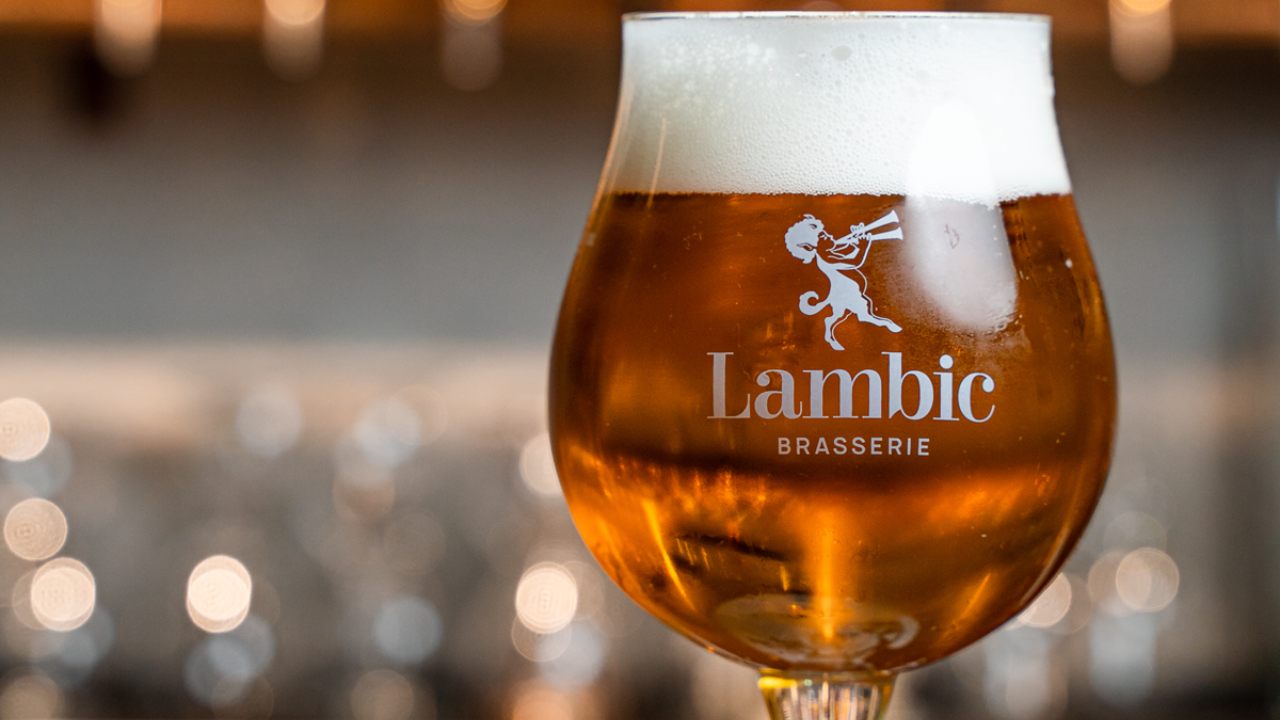
Contents A look back in time Features of Irish beer culture Beer styles What to try at Lambic Irish beer is part of the nation’s identity. In a country where pubs are the center of social life and stout has long been a symbol, Ireland offers the world a unique beer culture. Let’s take a look at how it developed and what makes Irish beer special. A look back in time Beer has been brewed in Ireland for centuries. The first mentions of beer on the island date back to pre-Christian times. With the arrival of Christianity in the 5th century, monasteries became centers of brewing—monks produced ale both for themselves and for guests. In medieval Ireland, beer was an everyday drink consumed by all levels of society. For a long time, Irish beer was brewed without hops, using herbal mixtures instead. Hops began to arrive in Ireland from England in the 17th century, but initially met resistance. By the early 18th century, English brewers were already actively using hops, and Irish producers gradually adopted the practice. A turning point came in 1759, when Arthur Guinness signed the famous lease for a brewery at St. James’s Gate in Dublin. The lease was set for 9,000 years at an annual rent of £45. Guinness initially brewed ale, but in the 1770s switched to porter—a rich dark beer popular in London. Guinness’s key innovation was the use of unmalted roasted barley. This allowed brewers to avoid a tax (which applied only to malt) and gave the beer its signature roasted aroma and dry taste. By the early 20th century, the Guinness brewery had become the largest in the world, and Irish stout had become a global phenomenon. Today, there are around a dozen breweries in Ireland, but Guinness remains the most recognizable Irish brand. Features of Irish beer culture Irish beer culture is inseparable from pubs. Until the 1960s, many pubs functioned as «grocery-pub shops,» combining food and drink sales. Owners and patrons usually knew each other, tipping was uncommon, and many pubs were family businesses passed down through generations, often bearing the owner’s name. Traditional Irish music is an essential part of the atmosphere, while food historically played a secondary role. Until the 1970s, pubs rarely served hot meals, offering mainly chips and salted snacks. Since the 1990s, Irish pubs have spread rapidly around the world. Thanks to the Irish Pub Concept project, launched with support from Guinness, around 7,000 Irish-style establishments have opened globally. Beer styles Stout is the main Irish style. Its defining features include the use of roasted barley, which gives flavors of coffee and chocolate, and a full body despite relatively low alcohol content (classic Guinness Draught is 4.2% ABV). Another hallmark is the «nitro» head: the beer is infused with nitrogen when served, creating a dense, creamy foam. In addition to Guinness, Ireland produces stouts such as Murphy’s and Beamish, as well as craft versions from smaller breweries. Irish Red Ale is the second most important traditional style. It has a copper-red color thanks to caramel malt, a smooth malty flavor with light caramel notes, and low to moderate bitterness (20–40 IBU). Classic examples include Smithwick’s and Kilkenny. Lager appeared in Ireland later. Until the 1960s, lagers were imported from Europe. In 1960, Guinness launched its own Harp Lager, inviting a German brewer and converting a brewery in Dundalk. Today, Harp is one of the most popular lagers in Ireland. Since the 1990s, Ireland has seen rapid growth in the craft beer movement. Small breweries began producing experimental IPAs, dry stouts, and seasonal beers. One such brewery is Carlow Brewing Company, founded in 1996 and known for its O’Hara’s brand. What to try at Lambic The Lambic menu features excellent examples of Irish brewing. Here are three options worth ordering: — O’Hara’s Leann Follain from Carlow Brewing Company is considered a benchmark extra Irish stout. It has 6% ABV and 45 IBU. Its rich flavor features notes of dark chocolate and coffee, balanced by light hoppy spice. This stout pairs perfectly with aged cheeses, meat delicacies, and chocolate desserts. — O’Hara’s Irish Stout is a classic example of a dry Irish stout. Compared to Leann Follain, it is lighter (around 4.3% ABV), closer to a traditional session stout. The flavor is dominated by roasted malt, with notes of coffee and dark chocolate; the body is smooth and the finish dry. It’s an excellent introduction to the Irish style. — Black Marble Stout is a dark stout brewed using an authentic recipe with selected malt, hops, and pure Irish spring water. The flavor includes coffee notes, a light fruity acidity, and characteristic malt bitterness. This beer is especially appealing to those who enjoy rich, warming drinks. At Lambic, you can try not only Irish beers but also many other interesting varieties—from Belgium and beyond. We look forward to welcoming you to our beer restaurants!
29 April 2026